
Five moments, in five minutes
Five moments from Motke’s life.
From the fighting in Jerusalem, through diplomatic service, to his years as a scholar.
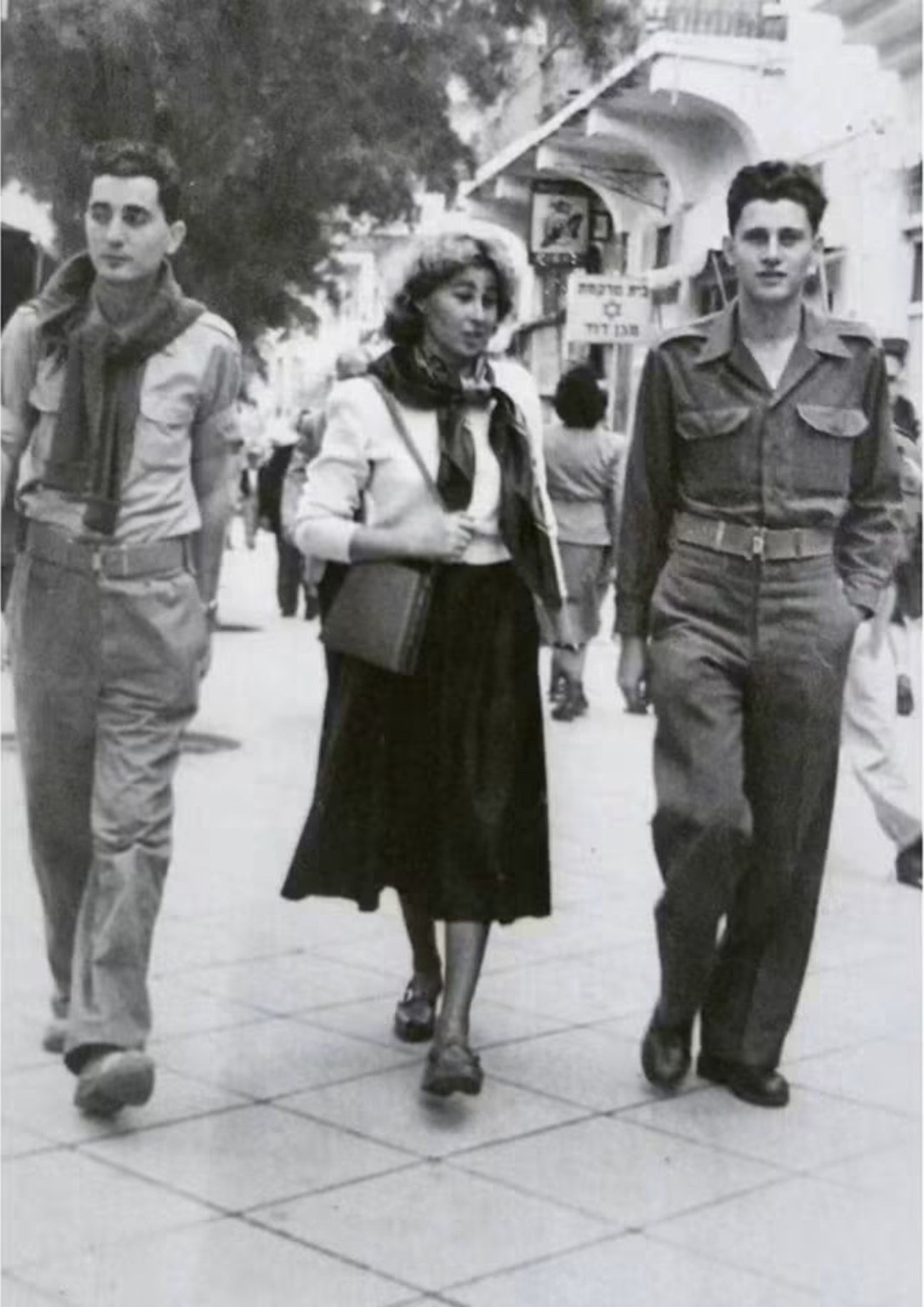
Jerusalem 1948
Aged 25, a commander in the battle for Jerusalem.
In April 1948 Motke commanded a company holding al-Qastal, a hill that dominated the road to Jerusalem. His men had not slept for five nights. One of his sentries shot an Arab fighter, and only the next day did it emerge that the dead man was the Arab commander for the Jerusalem area.
In May he entered the Jewish Quarter of the Old City at the head of a relief force of about 80 men. At dawn he was severely wounded by gunfire, and the injury cost him a lung. A year later he was already in the Foreign Service.
Signing for Israel, on camera.
From 1960 to 1965 Gazit was Minister, the ambassador’s deputy, at Israel’s embassy in Washington. In 1963 Israel joined the Partial Nuclear Test Ban Treaty, and Gazit signed it on Israel’s behalf.
A newsreel from that year filmed the moment. The footage is preserved in the Israel Film Archive and can be watched today.
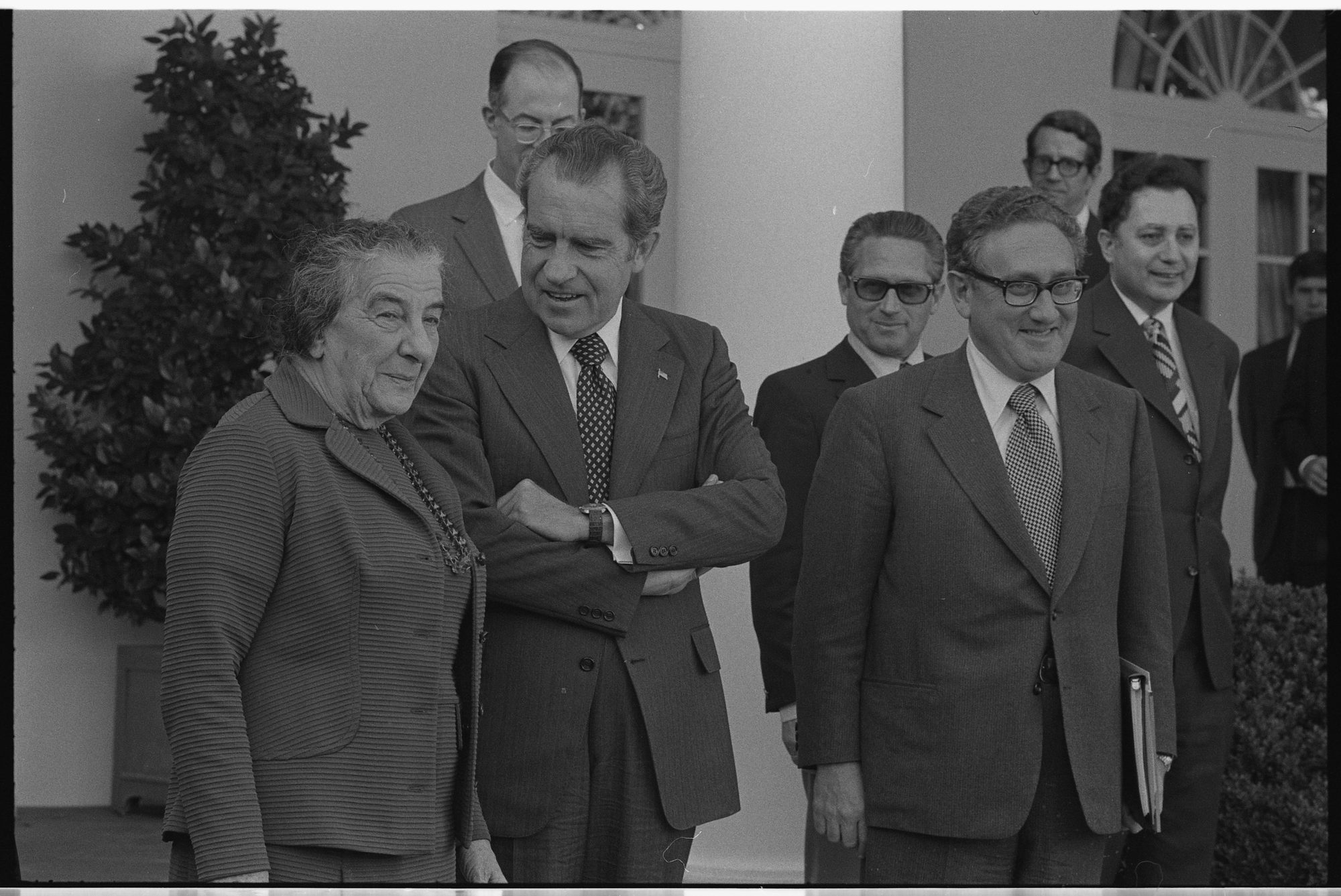
Glilot 1973
Beside Golda, facing the King of Jordan.
On 25 September 1973 King Hussein of Jordan came to a secret meeting with Prime Minister Golda Meir. Jordan and Israel were then officially enemies. Gazit, the Director-General of her office, sat beside her and took the notes.
The King reported that the Syrian army was deployed in attack positions, under cover of an exercise. Eleven days later the Yom Kippur War broke out. Whether this was a real warning is still disputed.
The photograph is loading from Getty Images… View it on the Getty Images website ↗
Geneva 1975
Signing an agreement with Egypt.
Two years after the war, Israel and Egypt signed the interim agreement. Israel withdrew from territory in Sinai, and the two countries committed, for the first time, not to resolve the conflict between them by force.
On 4 September 1975 Gazit signed the agreement in Geneva, heading the Israeli delegation, alongside Major General Herzl Shafir. Four years later the peace treaty with Egypt was signed.
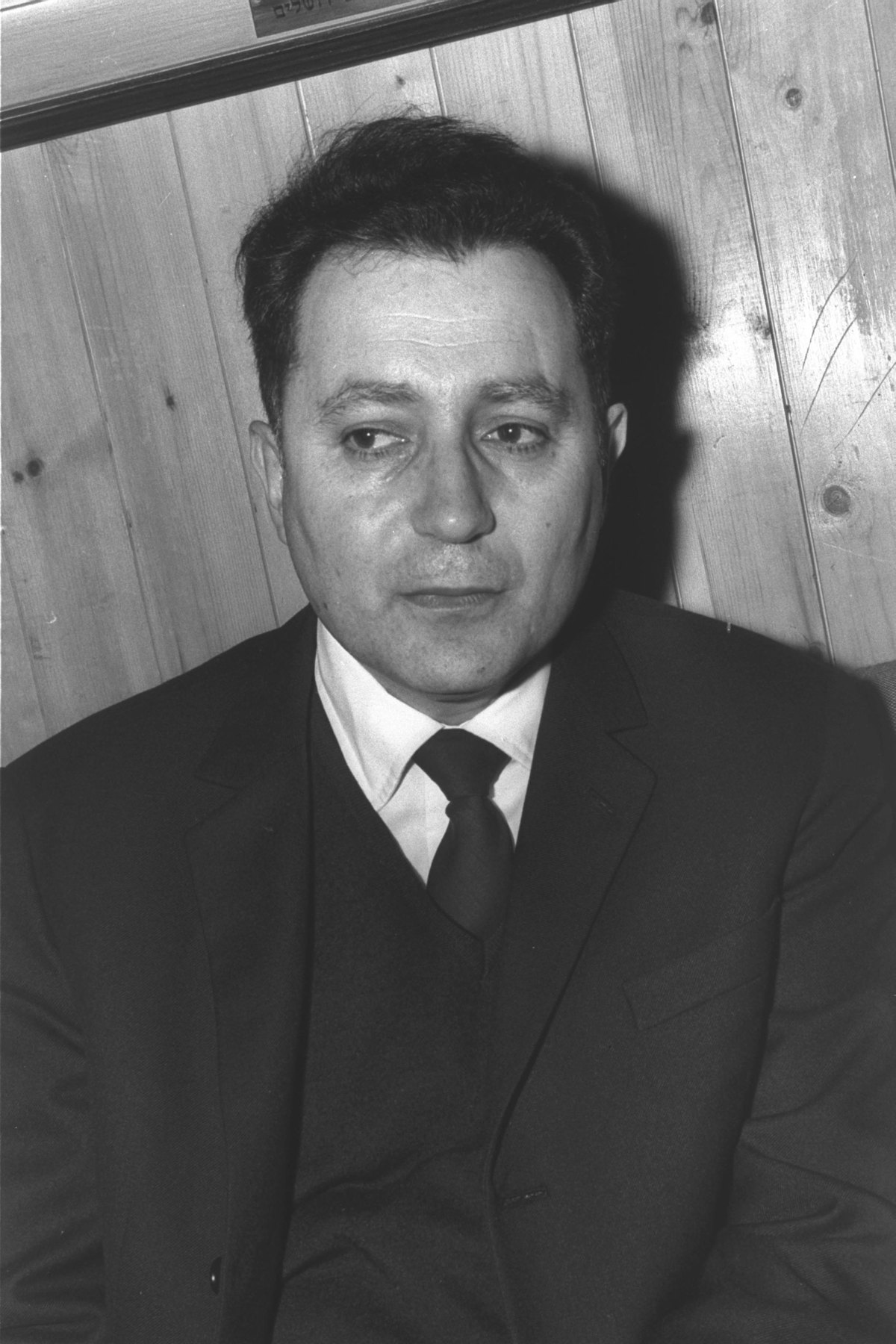
Harvard 1980
From the negotiating rooms to research.
After 31 years of service, ending as Israel’s ambassador to France, Gazit turned to research. He joined Harvard University as a fellow, and was later a research fellow at the Truman Institute of the Hebrew University.
In his books and articles he examined negotiations of the kind he had conducted himself. As he put it, a practitioner can offer political science a different angle from the theorist’s.
1 of 5 · Jerusalem, 1948
These are five moments from a whole life. The full story waits on the timeline, station by station.
The full story, in order Or: see and hear him in the archive films